


- Education
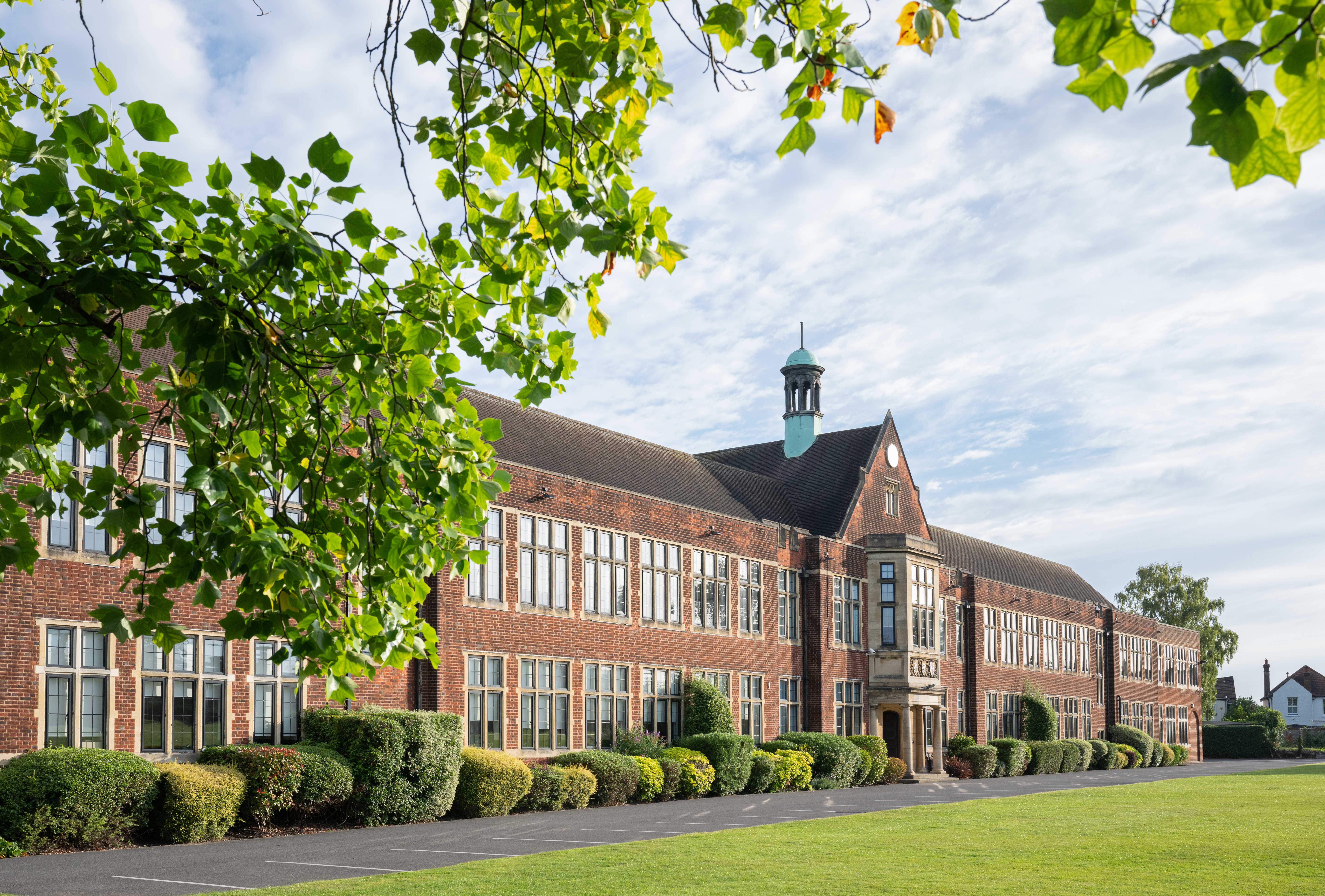
A timeline of growth and progress from QE Barnet to QE Dubai Sports City
 April 30, 2026
 April 23, 2026
Help others discover this content
A strong school is built on more than classrooms and curriculum. It is built on relationships, shared values and a sense of belonging. Within the British education system, the house system plays a central role in creating this foundation.
At Queen Elizabeth’s School, Dubai Sports City, the house system is an integral part of school life. Rooted in British tradition, the QE House Programme supports students across K-12 by nurturing confidence, responsibility, and leadership skills. It strengthens wellbeing, encourages engagement, and builds a thriving school community where every child feels known and valued.
This guide explains how the house system works, why it matters, and how it supports holistic development beyond academics.
The house system in British schools is a long-standing tradition designed to create smaller, supportive communities within a larger school environment. Each student is assigned to a house, becoming part of a group that spans different year levels.
This vertical structure helps students build relationships across age groups, creating a culture of mentorship, teamwork, and shared responsibility.
In schools with house systems, students are not defined only by their class or year group. They belong to a house family that supports their growth throughout their school journey.
Within the British curriculum, the house system is closely linked to pastoral care and personal development. It ensures that every student is supported academically, socially, and emotionally.
At Queen Elizabeth’s School, Dubai Sports City, the QE House Programme reflects this tradition by placing strong emphasis on:
The house system helps students grow into confident, able and responsible young people who feel secure, empowered, and connected to their school community.
The classroom house system extends beyond assemblies and competitions. It is woven into daily school life.
Students represent their houses in academic, creative, and sporting activities. They earn house points for effort, behaviour, contribution, and achievement, giving them a sense of purpose and motivation.
Teachers and mentors guide students within their houses, offering consistent care and encouragement. This approach ensures that students are seen not only as learners, but as individuals with unique strengths and potential.
The QE House Programme is designed to strengthen wellbeing and build a strong sense of community across the school.
Key features of the Programme include:
This structure creates a positive and inclusive environment where students feel safe, supported, and encouraged to flourish.
Leadership development is a central aim of the house system in British curriculum schools.
Senior students take on responsibilities as house leaders, prefects, and mentors. They support younger students, guide house activities, and model positive behaviour. This experience builds confidence, accountability, and communication skills.
Mentoring younger students helps build empathy and responsibility while strengthening bonds between different age groups. It also reinforces the values of service, respect, and collaboration.
Through this process, young people learn to lead with integrity and purpose.
The house system fosters healthy competition through sports, academics, creative arts, and community initiatives.
Students participate in house events that encourage teamwork, perseverance, and sportsmanship. These activities are designed to challenge students while reinforcing mutual respect and positive conduct.
Healthy competition builds resilience and motivation. It teaches students how to strive for excellence while supporting their peers.
In addition to leadership opportunities, this balance of challenge and encouragement is central to holistic development.
Pastoral care is one of the most important elements of the British school house system in Dubai.
Each house is supported by dedicated teachers and mentors who oversee student wellbeing, progress and development. This ensures that every child has trusted adults who know them well and can provide guidance when needed.
Through regular check-ins, mentoring sessions and wellbeing initiatives, the house system provides a strong support network for students and parents alike.
Education extends beyond academic results. The house system supports students in developing life skills, emotional intelligence, and social awareness.
By participating in house activities, students learn to:
This holistic education approach ensures that students grow not only as scholars but also as well-rounded individuals ready for life beyond school.
In British schools in the UAE, the house system plays a vital role in creating continuity, belonging, and stability for students from diverse backgrounds.
For expatriate families, it provides a familiar structure rooted in the British education system. For all students, it offers a sense of identity and connection within a global learning environment.
At Queen Elizabeth’s School, Dubai Sports City, the house system reflects the values of British education while responding to the needs of a modern international school community.
The house system is more than a tradition. It is a living framework that shapes the daily experience of students.
Through the QE House Programme, students develop confidence, leadership, and responsibility. They build strong relationships, engage fully in school life, and grow within a supportive community.
By strengthening wellbeing and fostering a sense of belonging, the house system prepares young people to succeed not only academically but also personally and socially.
What is the house system in British schools?
The house system in British schools fosters healthy competition, teamwork, and leadership. It encourages mentoring younger students and builds strong relationships across year groups.
What are the core components of the house system in British education system schools?
The core components include vertical grouping, identity and traditions, competitions, pastoral care, and student leadership opportunities.
What is the purpose of the house system in British curriculum schools?
The QE House Programme builds a sense of belonging, strengthens relationships, enhances engagement, supports leadership development, and promotes positive behaviour and achievement.
What are the positive impacts of the British system of education?
It develops a strong sense of community and belonging, encourages healthy rivalry and sportsmanship, provides opportunities beyond academics, and builds relationships between different age groups.
What is the house point system in a British international school?
In British curriculum schools in Dubai, students earn house points for effort, achievement, behaviour, and contribution, encouraging engagement and motivation.
How the house system enriches students
The house system enriches students by mentoring younger students, fostering healthy competition, improving student engagement, and strengthening pastoral care while building belonging and leadership.
Discover more insights and stories from Queen Elizabeth's School
 principal's blog series
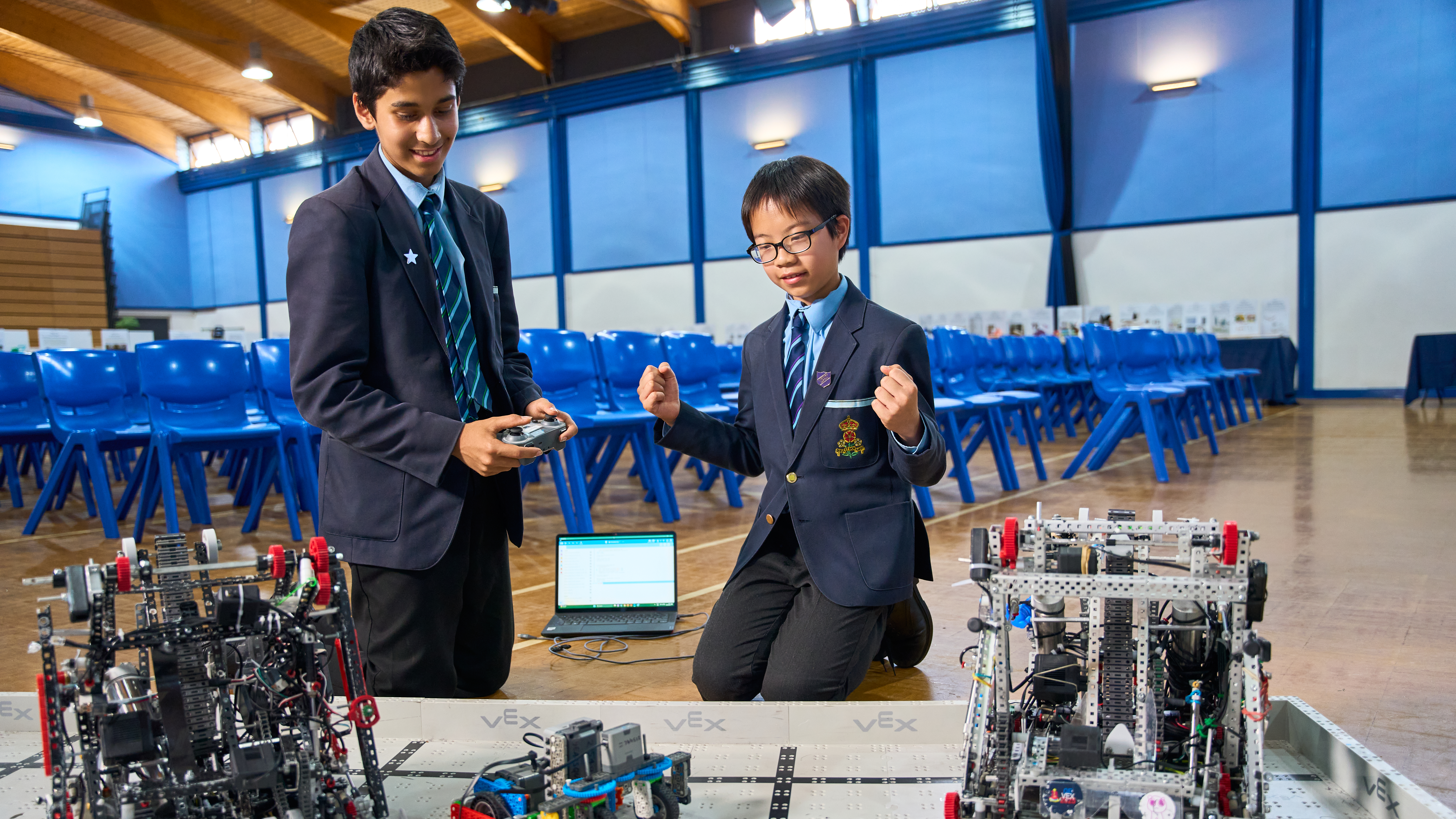
This weekend I had the chance to watch a recently released documentary that explores the rapid development of AI, and which painted (an at times alarming!) picture of the world that we are about to step into. The AI Doc: Or How I Became an Apocaloptimist, is framed around the director’s reflections as he prepares to become a parent and the film repeatedly returns to a simple but profound question: what kind of world are we creating for the next generation? The answers to that question were in parts inspiring, and in others terrifying, but throughout, there was a sense that certain human attributes will increase in importance, like good judgement, empathy, resilience, ethical reasoning, and the ability to collaborate with others.
 Dan Clark April 21, 2026
 principal's blog series
One of the great joys of recent weeks has been seeing just how excited my senior team have been in discussions about our curriculum; teachers very rarely get the chance to design a whole-school curriculum from the ground up, so we are jumping at this chance. Our conversations with families have been similar energising, as we have been able to talk with passion about not only what children will study, but how their learning is designed, sequenced, and brought to life over time, and supports or core mission of developing Confident, Able and Responsible young people.
Dan Clark April 14, 2026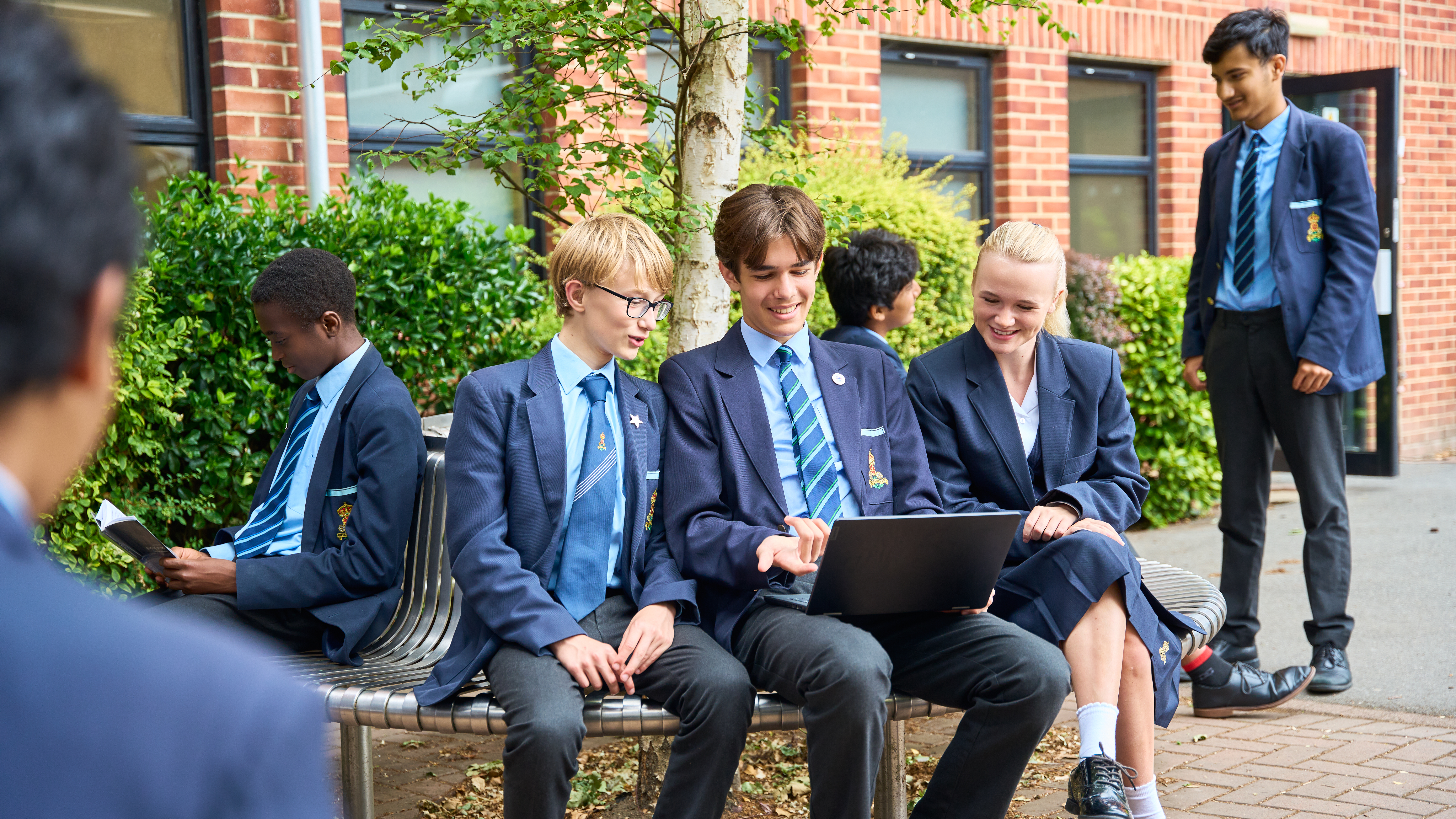 principal's blog series
When founding a new school, a few fundamental questions surface again and again: why does this school need to exist, and what will genuinely make it different? In a city as educationally ambitious and increasingly mature as Dubai, many schools are well led, well resourced, and staffed by talented professionals, something demonstrated clearly in the sector’s response to remote learning and again this week in schools’ handling of the cancellation of GCSE, A Level, and IB examinations.
Dan Clark April 07, 2026